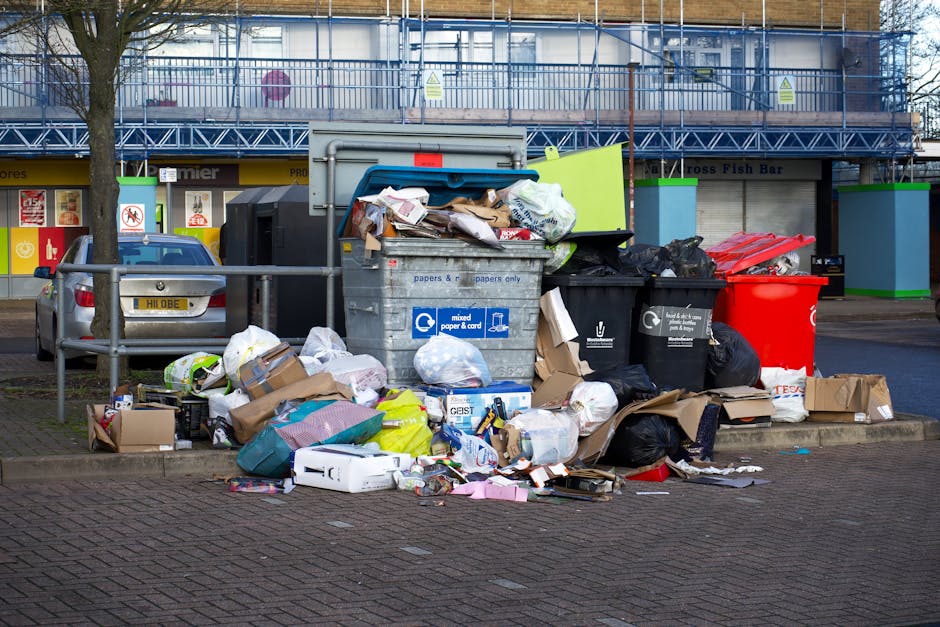
West Drayton station rubbish collection guide UB7 commuters
If you commute through West Drayton station and live, work, or manage property in UB7, rubbish has a way of turning up at the worst possible time. A bag left by the door. A broken chair that suddenly blocks the hallway. A pile of packaging after a move. Or that awkward bit of commercial waste that needs to disappear before the morning rush. This West Drayton station rubbish collection guide UB7 commuters is here to make the process feel simpler, quicker, and far less annoying than it usually does.
The aim is straightforward: help you understand what rubbish collection near the station means in real life, how it typically works, what to watch out for, and how to choose a method that fits a commuter schedule. You will also find practical steps, a checklist, and a few honest examples from everyday use. Nothing flashy. Just useful, local-minded guidance that saves time.
Why West Drayton station rubbish collection guide UB7 commuters Matters
Station-area rubbish is different from a normal household tidy-up. People are moving quickly, space is tight, and timing matters more than you think. Around a busy commuter point like West Drayton station, a misplaced bin bag or bulky item can create friction fast. It can make a flat look untidy, clog shared access routes, and, in some cases, become a nuisance for neighbours or landlords. No one wants that just before a train.
For UB7 commuters, the real issue is convenience. You may leave early, get back late, and have little patience for waste hanging around until the weekend. That is why a good collection plan matters. It helps you keep your route, entrance, and home base clear without turning waste removal into a half-day project. To be fair, most people only think about rubbish once it starts to smell, slip, or stack up in the corner. By then, the job has become bigger than it needed to be.
There is also a presentational side. If you rent near the station, manage a shared flat, run a small office, or handle a property between arrivals and departures, waste affects first impressions. A tidy space feels calmer. A cluttered one feels rushed and a bit chaotic. You notice it the moment you walk in.
That is why commuter-focused rubbish collection is not just about getting rid of stuff. It is about keeping movement easy, reducing stress, and avoiding last-minute panic before the next train, shift, or school run.
How West Drayton station rubbish collection guide UB7 commuters Works
In practice, rubbish collection for station commuters tends to follow a simple pattern: identify what needs removing, separate it into sensible groups, choose the right disposal method, and book or arrange a collection slot that matches your timetable. The details vary depending on the type of waste, the amount, and whether items are ordinary household rubbish, furniture, appliances, or something more specific.
A commuter-friendly approach usually starts with a quick sort. General waste goes in one group. Recyclable material in another. Bulky items, old furniture, and awkward pieces are set aside. If there is anything potentially hazardous, electrical, or confidential, it should be dealt with separately and carefully. That sounds obvious, but in real life people often mix everything together because they are in a rush. Then the whole job takes longer. Funny how that works.
For larger loads, many people prefer a professional waste removal service because it removes the need to hire a van, lift heavy items through shared areas, or make multiple trips while juggling train times. For smaller loads, a planned flat clean-out or bagged rubbish collection may be enough. The best option depends on how much waste you have, how quickly it needs to go, and whether access near West Drayton station is easy or awkward.
If you are comparing services, it can help to look at related options such as waste removal, house clearance, or flat clearance. These are useful when station-area waste is more than a couple of bin bags and you need a cleaner, all-at-once solution.
For very specific items, there are specialist routes too. A broken appliance may fit better with fridge and appliance removal, while a sofa, bed, or mattress may be easier to handle through mattress and sofa disposal. It is not about overcomplicating things. It is about matching the method to the mess.
Key Benefits and Practical Advantages
The biggest benefit is time. Commuters do not have spare hours to wander around with rubbish or wait for multiple trips to the tip. A well-planned collection lets you clear a space before work, after work, or during a short window between tasks. That alone reduces a surprising amount of everyday pressure.
Another benefit is safety. Loose bags, split boxes, old furniture, and hidden screws can turn hallways and entrances into trip hazards. In a shared property near a station, that matters. So does lifting technique. Heavy items moved in a rush tend to become awkward very quickly. A proper collection plan reduces that risk.
There is also the matter of compliance and confidence. If waste is removed in a sensible, traceable way, you are less likely to create problems for landlords, neighbours, or a business premises. That is especially useful for people who manage rented accommodation or small offices in UB7.
And then there is the emotional benefit, which people often underestimate. Clearing rubbish gives a very visible reset. You walk into the room and the air feels lighter. Less visual noise. Less smell. Less background stress. It sounds small. It is not small.
- Less clutter in tight station-adjacent spaces
- Fewer last-minute disposal runs
- Better access in flats, halls, and shared entrances
- Reduced risk of damage while carrying heavy waste
- Cleaner handovers for tenants, landlords, or employers
Who This Is For and When It Makes Sense
This guide is most useful for people in UB7 who need a practical rubbish solution around West Drayton station, not just a vague overview. That includes daily commuters in flats, house shares, and maisonettes; landlords dealing with end-of-tenancy clear-outs; office staff looking after a small workspace; tradespeople finishing a job nearby; and anyone trying to clear bulky waste without derailing their week.
It also makes sense if you have waste that is too much for a normal bin collection, but not necessarily enough to justify a full-scale project. That middle ground is where a lot of people get stuck. Do you keep the old wardrobe in the corner for three more weeks? Do you stuff the boot with black bags and hope for the best? Usually, neither option is ideal.
Here are the common scenarios where commuter-focused collection is a sensible choice:
- You are moving out and need a room cleared before key handover.
- You work irregular hours and cannot easily wait around for disposal windows.
- You share a flat and the communal bin space has run out of room.
- You have bulky furniture or appliances blocking access.
- You need a tidy, professional finish after a small office or home refresh.
If the waste is mainly furniture, you may also want to look at furniture clearance or furniture disposal. For larger domestic resets, home clearance can be the cleaner route. And if you are dealing with a loft full of forgotten boxes, seasonal junk, and that one broken fan from years ago, loft clearance is often the smarter call.
Step-by-Step Guidance
If you want the shortest path from clutter to clear space, follow this sequence. It is simple, but it works.
- Identify the waste type. Separate general rubbish, recyclables, bulky items, electricals, and anything hazardous. If you are not sure what counts as hazardous, pause and check carefully rather than guessing.
- Measure the volume. You do not need exact cubes and calculations. Just ask: is this a few bags, a car-load, or a room-full? The answer changes the best collection method.
- Check access. Near a station, access can be the real challenge. Tight stairwells, shared entrances, double-parked vehicles, and narrow pavements can all affect removal.
- Choose the most practical method. For small loads, a quick collection may be enough. For furniture or mixed waste, a wider waste removal service is usually easier.
- Set a realistic time window. If you commute, book for a period when you are actually available to answer the door, confirm details, or move items if needed.
- Prepare items in advance. Bag loose waste, empty drawers, remove personal items, and separate anything that should not be mixed with general waste.
- Confirm the disposal route. Ask how items are handled, especially if you care about recycling, reuse, or specialist disposal.
- Keep the area clear until collection day. It sounds small, but one extra box in the walkway can make the job slower. Sometimes much slower.
A practical tip: if you are clearing a flat before or after commuting, prepare everything the night before. When you wake up to a neat pile by the door, the day feels less messy already. Small win, but still a win.
Expert Tips for Better Results
First, always separate truly awkward items early. That includes appliances, mattresses, and anything damaged in a way that could snag, leak, or break further during moving. If you leave those until the end, they become the bottleneck.
Second, keep a small "do not forget" pile for documents, chargers, keys, and anything you actually want to keep. It sounds obvious, but people clearing out in a hurry often mix valuable items with rubbish. Then later comes the unpleasant rummage. Nobody enjoys that.
Third, think about the route out of the building, not just the room you are clearing. That is the bit people overlook. A sofa might fit through the lounge door, but not around the stair bend. A box might be light, but impossible to carry comfortably if it catches on a wet mat outside. The practical route matters more than the item list.
Fourth, if you care about sustainability, ask for a collection approach that prioritises reuse and recycling where possible. This matters more than most people think. It is not about perfection. It is about better habits and less landfill where alternatives exist. You can also review the company's approach to recycling and sustainability before booking.
Fifth, if the job involves a full property reset, pair it with the right type of service rather than squeezing everything into one generic bin run. For example, a flat with mixed furniture, packaging, and household waste may be better served by a combined clearance plan than by multiple small trips. This is where a structured service often pays for itself in saved time and reduced hassle.
And one more thing: do not leave a collection booking until the last train is already on the board. That way lies stress. And tea gone cold. Both avoidable, thankfully.
Common Mistakes to Avoid
The first mistake is underestimating volume. A couple of bags can grow into six very quickly once you start clearing cupboards, shelves, and that "just keep it for now" box in the corner. Give yourself a little slack.
The second mistake is mixing everything together. General waste, recyclable cardboard, electrical items, and confidential papers should not automatically go in the same pile. If you do that, sorting becomes slower and disposal options narrow.
The third mistake is ignoring access. On paper, the collection seems simple. In reality, the lift is tiny, the corridor is tight, and the van has nowhere convenient to stop. That is where delays happen.
The fourth mistake is forgetting about specialist items. A fridge, mattress, or sofa is not just "large rubbish". It often needs a different handling approach. For those items, specialist pages like appliance removal and mattress and sofa disposal are much more appropriate than general bag collection.
The fifth mistake is assuming the cheapest option is always the best. In truth, the cheapest route sometimes costs more in time, energy, and repeat effort. Not a dramatic revelation, but worth remembering.
- Do not leave sorting until collection day.
- Do not block shared entrances or fire exits.
- Do not place unsuitable items in mixed waste.
- Do not forget to remove personal documents and valuables.
- Do not book without checking timing around your commute.
Tools, Resources and Recommendations
You do not need fancy equipment to manage station-area waste well. A few basics go a long way. Heavy-duty sacks, gloves, strong tape, labels, a marker pen, and a simple room-by-room plan are often enough for smaller clear-outs. If you are dealing with a bigger job, a trolley or sack barrow can help, but only if access is suitable.
For planning, use a simple three-part system:
- Keep - items that stay in the home, office, or storage.
- Donate or reuse - usable items that should not become waste.
- Remove - broken, worn, or surplus items ready for disposal.
That little system is unglamorous, but it works. A sharpie on a cardboard box can save more confusion than a full spreadsheet ever will.
If you are comparing service options or need a clearer idea of what sort of job you actually have, these pages can help frame the decision: pricing and quotes, book online, and what can go in a skip. Even if you do not choose a skip, that last one is useful for understanding what mixed waste usually includes and what should be separated.
If you need a broader service for a property or workplace, related options such as office clearance, garage clearance, or builders waste clearance may be more fitting than a simple one-off rubbish pickup.
Law, Compliance, Standards, or Best Practice
Waste handling in the UK is not something to take casually, especially where mixed loads, business waste, or potentially hazardous items are involved. The safest approach is to make sure waste is passed to a properly managed service, kept separated where needed, and not left in ways that create nuisance, obstruction, or safety risks. For businesses and landlords, this matters even more.
Best practice is simple enough: keep waste contained, do not block access routes, separate special items, and use a provider that can explain how disposal is handled. If you are dealing with business premises, confidential paperwork, or electronics, extra care is sensible. A service such as confidential shredding may be appropriate where documents need secure handling.
For higher-risk items, careful handling is essential. That includes chemicals, paint, certain electrical items, and anything you suspect may count as hazardous waste. When in doubt, do not bundle it in with ordinary rubbish. Use a specialist route such as hazardous waste disposal. Better safe than sorry, honestly.
It is also sensible to check that service providers are clear about safety, insurance, and operational standards. For example, you may want to review health and safety policy, insurance and safety, and payment and security if you are choosing a company for a larger or more sensitive collection. Those details are not flashy, but they tell you a lot about how carefully the work is run.
And for businesses near the station, waste removal should support normal operations rather than interrupt them. A tidy, low-disruption approach tends to be the best one. Not always the fastest in appearance, but usually the most reliable.
Options, Methods, or Comparison Table
There are a few common ways UB7 commuters and local residents handle rubbish around West Drayton station. The right choice depends on volume, urgency, and how much lifting or sorting you want to do yourself.
| Method | Best for | Strengths | Trade-offs |
|---|---|---|---|
| Bin collection and bagged waste | Small, routine household rubbish | Simple, low effort, familiar | Limited capacity; not suited to bulky items |
| Self-managed disposal | People with time, transport, and light waste | Flexible and direct | Can be tiring; multiple trips; access issues |
| Professional waste removal | Mixed waste, bulky items, busy schedules | Fast, convenient, less lifting | Usually needs booking and clear item details |
| Specialist item removal | Appliances, mattresses, sofas, sensitive waste | Proper handling for specific items | Needs the correct service type |
For most commuters, the decision comes down to one question: do you want to spend your time moving rubbish, or do you want the space back quickly? If you are already balancing trains, meetings, and a packed week, the answer is usually obvious.
Case Study or Real-World Example
Picture a shared flat near West Drayton station. Three people work different hours. One leaves early, one gets home late, and the third is constantly "about to sort it on Saturday". There are two bags of packaging in the hall, an old desk chair in the spare room, and a broken microwave by the kitchen wall. Nothing dramatic. Just enough clutter to feel annoying every single day.
In a situation like that, the usual problem is not the waste itself. It is coordination. Everyone assumes someone else will deal with it. Meanwhile the hallway feels tighter, the kitchen looks a bit grim, and the chair somehow becomes part of the furniture. The fix is simple enough: agree what stays, what goes, and when the removal will happen. Then pick a collection method that fits the most constrained schedule, not the most optimistic one.
A practical approach would be to bag the loose waste, separate the appliance, and arrange a collection window that avoids rush hour. If the desk chair, packaging, and kitchen waste are all going together, a broader clear-out may make more sense than trying to solve the job item by item. Once it is gone, the flat feels larger immediately. You can hear the difference sometimes. Less echo, less friction, less everything.
That is the real point of a good rubbish collection plan near a commuter station: it protects time, not just floor space.
Practical Checklist
Use this before booking or arranging any collection near West Drayton station.
- Sort waste into general, recyclable, bulky, and specialist items.
- Remove valuables, personal papers, and anything you want to keep.
- Check whether anything needs special handling, such as appliances or hazardous waste.
- Estimate the load size honestly, not hopefully.
- Make sure access paths are clear from the room to the exit.
- Choose a collection time that fits your commute and work hours.
- Confirm how the provider deals with reuse, recycling, and disposal.
- Prepare bags, labels, and any needed wrapping in advance.
- Keep communal areas tidy and unobstructed.
- Review service information such as safety, payment, and terms before booking.
Ticking off those points takes only a few minutes. It saves far more than that later.
Get a free quote today and see how much you can save.
Conclusion
For UB7 commuters, rubbish collection around West Drayton station is really about making daily life easier. You want the waste gone, the space clear, and the process to fit around actual life, not an idealised one. When you match the right disposal method to the right type of waste, the whole job becomes lighter, faster, and less stressful.
The best results usually come from simple habits: sort early, plan access, respect safety, and choose a collection method that suits your schedule. Do that, and the clutter stops being a background problem. It just becomes a thing you handled well. Quietly. Properly. A small relief, but a real one.
If you are ready to clear space and move on with your day, that is a good place to be.
Frequently Asked Questions
What does a West Drayton station rubbish collection guide UB7 commuters actually cover?
It covers the practical side of getting rubbish removed around the station area, including sorting waste, choosing the right collection method, and planning around a commuter schedule.
Is this guide useful for renters near West Drayton station?
Yes. Renters often deal with shared entrances, limited storage, and awkward move-out timing, so a commuter-friendly rubbish plan can make a big difference.
What should I do with bulky waste like a sofa or mattress?
Use a specialist disposal route rather than mixing it with general waste. A dedicated service is usually easier and safer for large items.
Can I put electrical items in general rubbish?
Usually not. Electrical waste often needs separate handling. If you are unsure, treat it as a specialist item rather than guessing.
How do I know if my waste is hazardous?
If it includes chemicals, unknown liquids, paint, or other risky material, pause and check carefully. Hazardous items should be handled separately and with extra care.
What is the fastest way to clear rubbish before work?
Sort items the night before, keep access clear, and book a collection window that fits your commute. Preparation saves the most time.
Is professional waste removal better than doing it myself?
It depends on the load and your schedule. For bulky or mixed waste, professional removal is often easier. For a few small bags, self-managed disposal may be enough.
What if I live in a shared flat and other people leave rubbish out?
Agree a basic sorting system and a collection date with everyone involved. Shared spaces need a bit of coordination, or they quickly get messy.
Can waste collection near the station help with end-of-tenancy clean-outs?
Yes, especially when time is tight and you need the property left in good condition. Flat clearance or home clearance can be useful in that situation.
How do I choose between waste removal and a specialist service?
If the load is mixed and general, waste removal may be enough. If you have appliances, mattresses, furniture, or sensitive waste, a specialist service is usually better.
Should I check a company's safety information before booking?
Absolutely. Safety, insurance, and clear terms are sensible things to review, especially for larger collections or shared-access properties.
Does recycling matter if I just want the rubbish gone?
It does, because a good collection should still handle items responsibly where possible. Even a quick job can be done with recycling in mind.